Alaska Wildlife You'll See on a Cruise: Photo Guide
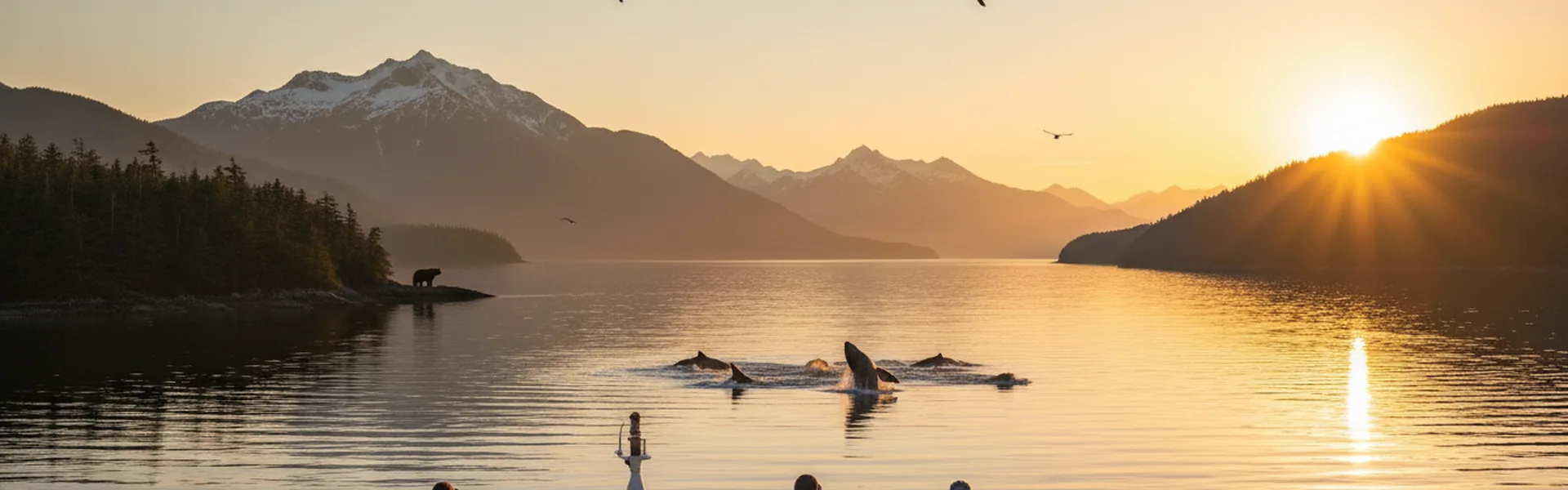
Alright, future Alaska adventurers! Are you ready to trade your daily grind for glacier views and wildlife wonders? Because an alaska wildlife cruise isn't just a vacation; it's a front-row seat to nature's most spectacular show. Imagine cruising through breathtaking fjords, surrounded by towering peaks, while majestic creatures play in their natural habitat. This isn't just about spotting a few critters; it's about experiencing the wild heart of Alaska, up close and personal. So, grab your binoculars (and maybe a super comfy, fun Alaska Cruise Tee), because we're diving deep into the incredible animals you'll likely encounter on your epic journey!
From the giants of the deep to the masters of the sky and the shy residents of the forest, Alaska is teeming with life. We're talking about marine mammals that breach with incredible power, eagles soaring overhead, and bears foraging on the shore. Get ready to have your camera constantly at the ready, because every turn could reveal a moment you'll never forget. Let's get this wildlife party started!
Marine Life: Nature's Aquatic Rock Stars
The waters of Alaska are a bustling metropolis for some of the planet's most fascinating creatures. Keep your eyes peeled and your camera ready, because these marine mammals are the true celebrities of the Inside Passage.
Humpback Whales: The Ocean's Acrobats
Prepare for goosebumps! Humpback whales are the undisputed show-stoppers of any Alaska cruise. These gentle giants are famous for their incredible acrobatic displays, from breaching high out of the water to slapping their massive tails (flukes) or pectoral fins on the surface. They often travel in groups, and if you're lucky, you might even witness a 'bubble-net feeding' display, where a pod works together to create a net of bubbles to corral fish – it's truly a marvel of natural cooperation.
Where and When to Spot Them: Humpbacks are prevalent throughout the Inside Passage, especially in nutrient-rich areas like Glacier Bay National Park, Icy Strait Point, and Frederick Sound. Your best chances are during the summer months, from May through September, when they're feasting on krill and small fish.
Orcas (Killer Whales): The Apex Predators
With their striking black and white markings, orcas are instantly recognizable and utterly captivating. These intelligent, social animals are actually the largest members of the dolphin family. You might see them hunting seals or salmon in coordinated pods, leaping out of the water, or simply cruising with their distinct dorsal fins cutting through the waves. Each pod has its own unique 'dialect' of clicks and whistles!
Where and When to Spot Them: While they can be seen throughout Alaska's waters, areas like Prince William Sound and the waters near Juneau and Sitka offer good opportunities. Transient (mammal-eating) orcas are often seen hunting, while resident (fish-eating) orcas are more predictable in their movements. Summer is prime viewing season.
Sea Lions: The Loud and Proud
You'll probably hear them before you see them! Stellar sea lions, the largest of their kind, are boisterous and social, often found hauling out in large groups on rocky islets, buoys, and even abandoned barges. They love to sunbathe, bark, and occasionally tumble into the water with surprising agility. California sea lions are also present, though less common in the northern reaches.
Where and When to Spot Them: Look for them on navigational buoys, rocky outcroppings, and designated rookeries, particularly around the entrance to Glacier Bay, Hubbard Glacier, and near ports like Ketchikan and Sitka. They are present year-round, but more concentrated in summer.
Sea Otters: The Adorable Floaters
Prepare for an 'awww' moment! Sea otters are impossibly cute, often seen floating on their backs, cracking open shellfish on their tummies, or holding paws with their buddies to avoid drifting apart while they nap. They have the densest fur of any animal, which helps them stay warm in the chilly Alaskan waters.
Where and When to Spot Them: These playful creatures prefer calmer, nearshore waters, coves, and estuaries. Look for them in places like Glacier Bay, Sitka Sound, and around the protected inlets of the Inside Passage. They are visible throughout the cruise season.
Harbor Seals: The Shy Sunbathers
Harbor seals are a bit shyer than sea lions, often seen peeking their dog-like faces out of the water or hauled out on rocks and ice floes, especially near tidewater glaciers. They are often solitary or in small groups, blending seamlessly with their surroundings.
Where and When to Spot Them: These curious seals are common throughout the Inside Passage, particularly near calving glaciers like those in Tracy Arm Fjord and Glacier Bay, where they rest on icebergs. They are present year-round.
Birdlife: The Sky's Majestic Residents
Don't just look to the sea; the skies and shorelines of Alaska are a birdwatcher's paradise! From powerful predators to charming puffins, the avian world here is vibrant.
Bald Eagles: Icons of the Wild
It's almost impossible to take an Alaska cruise without spotting a bald eagle. These magnificent birds, with their distinctive white heads and tails, soar gracefully above the fjords or perch majestically in tall trees, ever watchful for their next meal. Their sheer numbers and impressive wingspan make them a constant delight.
Where and When to Spot Them: Everywhere! They are especially abundant in coastal areas, near salmon streams, and in most cruise ports. For more detailed tips on where to find these majestic birds, check out our guide on Bald Eagle Watching at Alaska Cruise Ports: Where to Look.
Puffins: The Clowns of the Sea
With their colorful, oversized beaks and comical waddling gait on land, puffins are often called the 'clowns of the sea.' Both Tufted and Horned puffins can be found in Alaska. They are superb swimmers, using their wings to 'fly' underwater in pursuit of fish.
Where and When to Spot Them: Look for them nesting on rocky cliffs and islands, particularly near the open ocean sections of your cruise, like the Gulf of Alaska or around specific breeding grounds. Summer is their breeding season, making it the best time to see them.
Murrelets: Elusive Forest Dwellers
The Marbled Murrelet is a small, fascinating seabird known for its unique nesting habits. Unlike most seabirds, it nests high in old-growth trees, sometimes many miles inland. They are masters of camouflage, making them a special treat to spot.
Where and When to Spot Them: You might catch glimpses of them flying rapidly between the ocean and old-growth forests, or bobbing in the water near forested shorelines, especially in protected inlets. They are present during the summer months.
Arctic Terns: The Ultimate Migrators
These incredible birds undertake the longest migratory journey of any animal on Earth, traveling from the Arctic to the Antarctic and back again each year. They are elegant flyers, constantly on the move, diving gracefully for small fish.
Where and When to Spot Them: You'll likely see them in coastal areas, especially near glaciers and ice fields, where they often feed. They are present in Alaska during the summer breeding season before embarking on their epic southward journey.
Land Mammals: Forest and Mountain Residents
While much of the focus of an alaska wildlife cruise is on marine life, don't forget to scan the shorelines and distant mountainsides for these impressive land-based creatures. They add another layer of wild wonder to your journey.
Brown Bears (Grizzlies): Kings of the Coast
Alaska is bear country, and the brown bear (coastal grizzly) is a true icon. These powerful animals are often seen foraging along riverbanks and shorelines, especially during salmon runs. Watching a bear fish for salmon is a quintessential Alaskan experience, a testament to the raw power and beauty of nature.
Where and When to Spot Them: Look for them in coastal areas, particularly in Glacier Bay National Park, Admiralty Island, and near river mouths. Early morning or late evening often provide the best viewing opportunities, especially from July through September when salmon are spawning.
Black Bears: The Forest's Shy Residents
More numerous and generally smaller than brown bears, black bears are often seen in forested areas, sometimes even near towns or cruise ports. They can be black, brown, or even cinnamon in color. They're usually a bit shyer than their brown bear cousins, often darting back into the woods if they feel observed.
Where and When to Spot Them: Keep an eye on the treelines along the shore, especially in areas with lush vegetation. They are common throughout the Inside Passage, and you might spot them foraging for berries or roots. Summer is when they are most active.
Moose: The Majestic Giants
With their impressive antlers (on the males), moose are the largest members of the deer family. These solitary giants prefer wetlands and forests, where they browse on vegetation. Seeing a moose emerge from the mist is a truly unforgettable sight, embodying the vastness of the Alaskan wilderness.
Where and When to Spot Them: While less common directly from a cruise ship, you might spot them in marshy areas or dense forests if your ship passes close to shore in certain inlets or if you take a land excursion. They are more prevalent in the interior, but coastal sightings do occur. Early morning and dusk are prime times.
Mountain Goats: Agile Alpine Athletes
Spotting a mountain goat is like finding a tiny, white, fluffy cloud clinging to an impossibly steep cliff face. These incredible climbers, with their shaggy white coats and sharp black horns, are perfectly adapted to the rugged, high-altitude terrain. They are often surprisingly camouflaged against snowy peaks.
Where and When to Spot Them: Scan the steep, rocky slopes and snowfields of the mountains that flank the fjords, especially in areas like Tracy Arm Fjord, Misty Fjords National Monument, and Glacier Bay. Binoculars are a must for these distant sightings. They are visible all summer.
Sitka Deer: The Forest's Graceful Dwellers
These smaller, reddish-brown deer are a subspecies of mule deer, uniquely adapted to the wet, temperate rainforests of Southeast Alaska. They are graceful and often blend into the dense undergrowth, making them a lovely, subtle discovery.
Where and When to Spot Them: Look for them in forested areas close to the shore, particularly in clearings or near the edges of towns. They are common throughout the Inside Passage and can be seen year-round, but are most active during dawn and dusk.
Prime Wildlife Viewing Spots and Seasons Along Your Cruise Route
Knowing *what* to look for is great, but knowing *where and when* to look is key to maximizing your alaska cruise wildlife viewing experience! Alaska's Inside Passage is a treasure trove, offering unique opportunities as you sail through its protected waters.
- Glacier Bay National Park: This is arguably one of the best places for an alaska wildlife cruise. Here, you'll find an abundance of humpback whales, orcas, sea otters, harbor seals resting on ice floes, and numerous seabirds. Keep an eye on the shore for brown bears and mountain goats. The sheer biodiversity here is astounding.
- Tracy Arm Fjord & Endicott Arm: As your ship navigates these narrow, dramatic fjords towards the Sawyer Glaciers, you'll be treated to stunning scenery and excellent chances to spot harbor seals on icebergs, mountain goats high on the cliffs, and bald eagles soaring above. This area is also fantastic for Glacier Calving on Alaska Cruises: When and Where to See, which can sometimes stir up marine life.
- Icy Strait Point / Hoonah: Located near prime feeding grounds for humpback whales, this area is consistently excellent for whale watching. You'll also likely see sea lions, sea otters, and countless bald eagles here.
- Frederick Sound: Known as a major feeding area for humpback whales during the summer, this waterway between Admiralty Island and Kupreanof Island is a hotspot for these magnificent creatures.
- Prince William Sound: If your itinerary includes this area (often part of northbound or southbound Gulf of Alaska cruises), you'll have fantastic opportunities for spotting orcas, sea otters, harbor seals, and various seabirds amidst stunning glaciers.
- Ketchikan, Juneau, Sitka: Even in port, keep your eyes open! These towns are often surrounded by rich ecosystems. Look for eagles, harbor seals, sea lions, and even bears on nearby shores or in protected inlets during shore excursions.
The prime season for wildlife viewing on an Alaska cruise is generally from late May through September. This is when the weather is milder, the days are long, and most animals are actively feeding, breeding, or migrating. Early summer (May-June) can be great for bear sightings as they emerge from hibernation, while mid-to-late summer (July-September) is fantastic for whales and salmon-dependent wildlife as the salmon runs intensify.
Capturing the Magic: Camera Tips for Your Alaska Wildlife Cruise
You'll want to remember every breathtaking moment, so having your camera ready is crucial! Here are some tips to help you get those incredible wildlife shots on your Alaska adventure.
Essential Camera Settings
- Shutter Speed: Wildlife moves fast! Aim for a fast shutter speed (e.g., 1/1000th of a second or faster) to freeze action, especially for breaching whales or flying eagles. For static animals, you can go a bit slower.
- Aperture (f-stop): A wider aperture (smaller f-number like f/2.8 or f/4) will create a shallow depth of field, blurring the background and making your subject pop. However, for a larger animal or a group, you might want a slightly narrower aperture (e.g., f/5.6 or f/8) to ensure more of the animal is in focus.
- ISO: This setting controls your camera's sensitivity to light. On bright days, keep your ISO low (100-400) for the best image quality. On cloudy days or early mornings/evenings, you might need to increase it (800-1600 or higher), but be mindful of potential image noise.
- Continuous Shooting Mode (Burst Mode): This is your best friend for wildlife! Hold down the shutter button and your camera will rapidly take multiple photos, increasing your chances of capturing that perfect moment.
- Autofocus Mode: Use a continuous autofocus mode (often called AI Servo on Canon or AF-C on Nikon/Sony) that tracks moving subjects.
Lens Recommendations
- Telephoto Lens (70-200mm, 100-400mm, or even 150-600mm): This is arguably the most important lens for wildlife photography. Animals are often far away, and a telephoto lens will bring them closer, allowing you to fill the frame with your subject. Consider renting one if you don't own one.
- Versatile Zoom Lens (e.g., 24-70mm or 24-105mm): Great for landscapes that include wildlife, or for closer encounters with animals when you want to show them in their environment.
- Image Stabilization: Look for lenses with built-in image stabilization (VR on Nikon, IS on Canon, OSS on Sony) to help reduce blur from camera shake, especially when using long telephoto lenses handheld.
General Tips for Wildlife Photography on a Cruise
Patience is a Virtue: Wildlife isn't on a schedule. Be prepared to wait, watch, and enjoy the moment. Sometimes the best shots come when you least expect them.
Be Ready: Keep your camera powered on and settings adjusted for potential action. You don't want to miss a breaching whale because you were fumbling with your camera bag.
Use a Monopod or Tripod (if possible): On a moving ship, a tripod can be tricky, but a monopod can offer extra stability for those long telephoto shots without taking up too much space. Lean against the ship's railing for support if you don't have one.
Respect Wildlife: Always maintain a safe and respectful distance. Your cruise ship and excursion operators are experts in ethical wildlife viewing, so follow their guidance.
Ready for Your Wild Alaska Adventure?
An Alaska cruise is more than just a trip; it's an immersive journey into one of the world's last great wildernesses. The sheer volume and diversity of the animals you see on alaska cruise are astounding, offering unforgettable moments around every bend. From the playful antics of sea otters to the majestic flight of a bald eagle and the awe-inspiring breach of a humpback whale, your senses will be in overdrive.
So, start planning, get your binoculars ready, and don't forget to pack your sense of adventure (and maybe a super cool, matching Alaska Cruise Tee for your whole group!). Get ready to make memories that will last a lifetime, because the wild heart of Alaska is calling, and it's spectacular. See you on deck, ready for some incredible wildlife viewing!
Get 10% Off Your First Order
Join our list for exclusive deals, new drops, and more.
No spam. Unsubscribe anytime.